

- All
- News
- Publications

Green hydrogen is a promising energy carrier to decarbonize the air transportation system and offers different application options. The use of liquid hydrogen (LH2) requires extensive changes to the existing infrastructure and is therefore more realistic in the long-term. However, hydrogen can also be utilized to produce synthetic fuels, so-called Power-to-Liquid (PtL) fuels which allow…

Last week, the second industry advisory board workshop for our research project, HyNEAT, took place in Munich at the TUM Faculty Club. The HyNEAT project investigates future hydrogen (H2) supply networks focusing on integration into renewable energy systems, liquid hydrogen (LH2) supply chains, and future flight networks. In small groups, we discussed the first project…
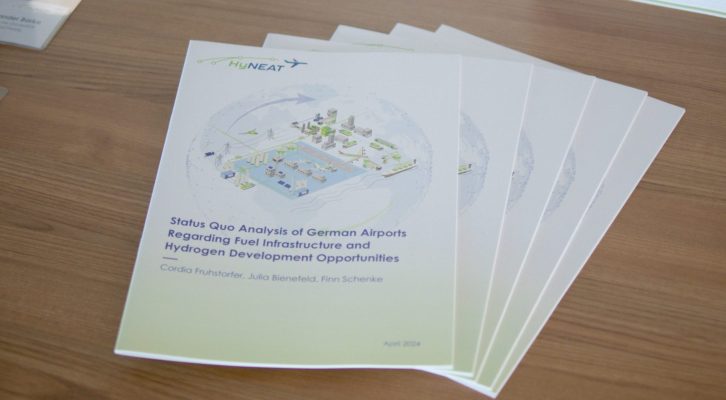
In order to understand how the future supply of liquid hydrogen (LH2) for airports could work, it is essential to understand the organisation and structure of the current fuel infrastructure. For this reason, we initiated and accompanied a study on this topic in the HyNEAT project, which was carried out by the Pro Aviation Consult…
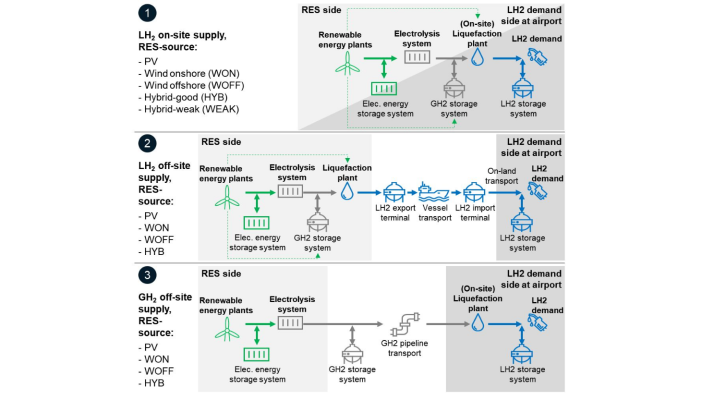
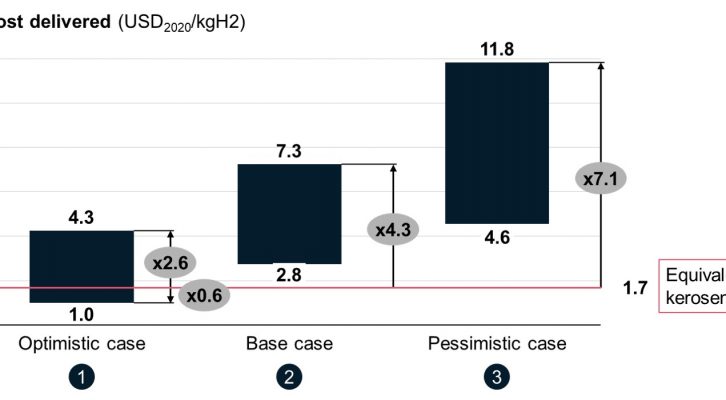
The economic competitiveness of H2-powered aviation highly depends on the supply costs of green LH2 to enable true-zero CO2 flying. This study uses non-linear energy system optimization to analyze three main LH2 supply pathways for five locations. Final LH2 costs at the dispenser could reach 2.04 USD/kg in a 2050 base case scenario for locations…

We are pleased to announce that Pro Aviation is supporting our efforts in the HyNEAT research project. Pro Aviation has extensive international expertise in the procurement, logistics and sale of jet fuel (Jet A 1) and advises airlines, airports, service providers and suppliers in the aviation business. The consulting company sees itself as a neutral…
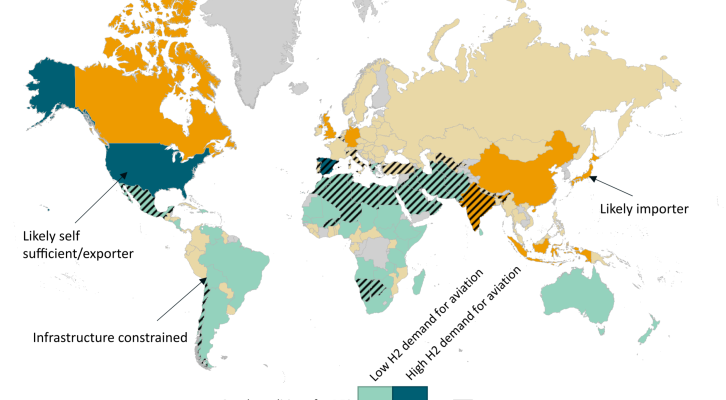
With interest in carbon-neutral aviation at an all-time high, one of the main questions being asked is: are there any resource limitations for the implementation of H2-powered aviation on a global scale? To answer this question, we investigated the energy, water and raw material demands for different scenarios and compared these to the availabilities from…
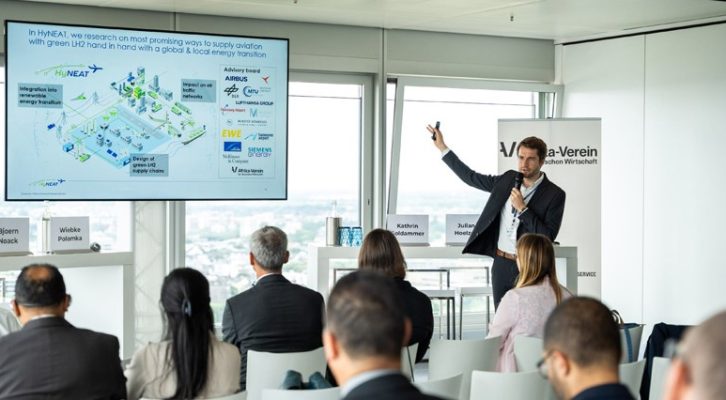
Recently we had the opportunity to present our research project at the forum: 2nd Unlocking Industries – Hydrogen in Africa: Transforming Infrastructure & Partnerships. In a short keynote presentation titled: “Hydrogen in Aviation: Opportunities and Challenges for a Carbon Neutral Aviation Industry”, Julian Hölzen (pictured) discussed the application of hydrogen in aviation and addressed the…
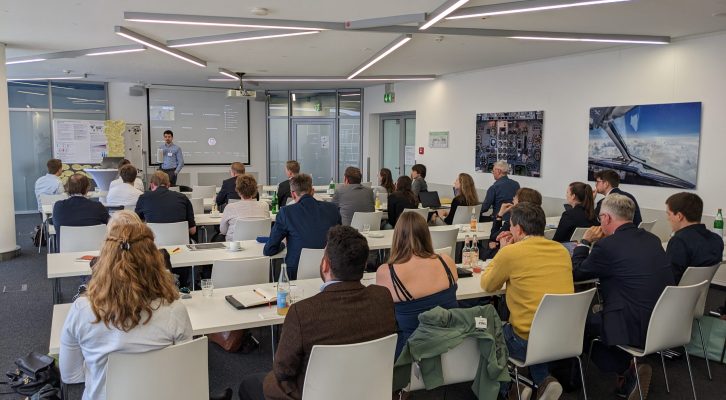
In April, the first advisory board meeting of the HyNEAT project took place at Hannover Airport and brought together scientists from the project with experts from the aviation industry and the energy sector. The first results were presented at the meeting and initial findings and approaches were discussed in a “world café” in line with…
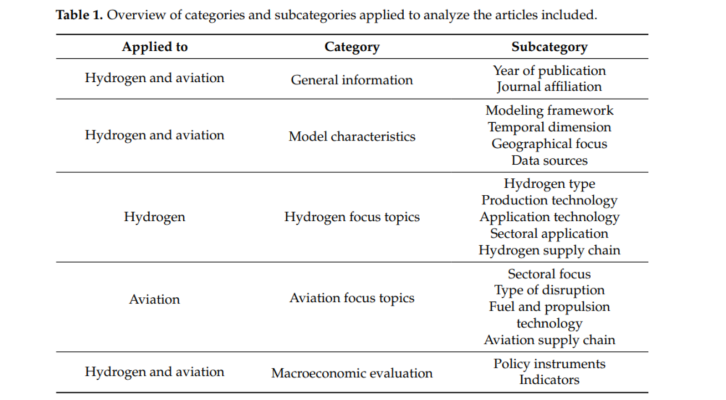
The hydrogen momentum affects the air transportation system. While several articles have addressed the technological or techno-economic bottlenecks, macroeconomic considerations of hydrogen use in aviation are so far underexplored. However, hydrogen-powered aviation has numerous macroeconomic implications. The application of so-called general equilibrium models is a promising approach to investigate the economy-wide consequences of novel technologies…
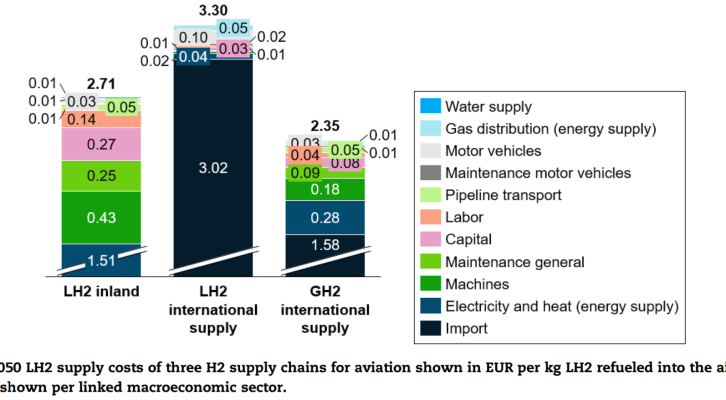
Academics as well as industrial players show increasing interest in green hydrogen as a promising fuel to decarbonize the air transportation system. Yet, the switch form kerosene to green hydrogen implies several macroeconomic effects along the new supply chain. For instance, inter-industrial linkages, employment potential and trade opportunities are affected by the introduction of green…
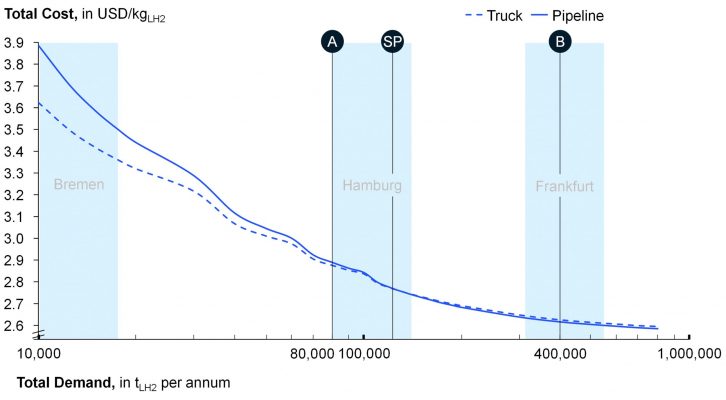
The new Clean Aviation and Clean Hydrogen Partnership Joint Undertaking calls for proposals clearly underscore the high level of interest in H2-powered aviation. Recent news from players such as Airbus Group Inc, ZeroAvia, Universal Hydrogen, Cranfield Aerospace Solutions, HyPoint, Safran, GE Aviation, CFM International (CFM), Plug Power and many others also underscore this trend. This…
Hydrogen-powered aircraft will not take off without H2 supply infrastructure. Since the report on "hydrogen-powered aviation" by Clean Sky Joint Undertaking & Fuel Cells & Hydrogen Joint Undertaking (FCH JU), the topic has gained strong momentum (again) in the last 2.5 years. Airbus Group Inc, ZeroAvia, Universal Hydrogen, H2FLY, Cranfield Aerospace Solutions and many others…
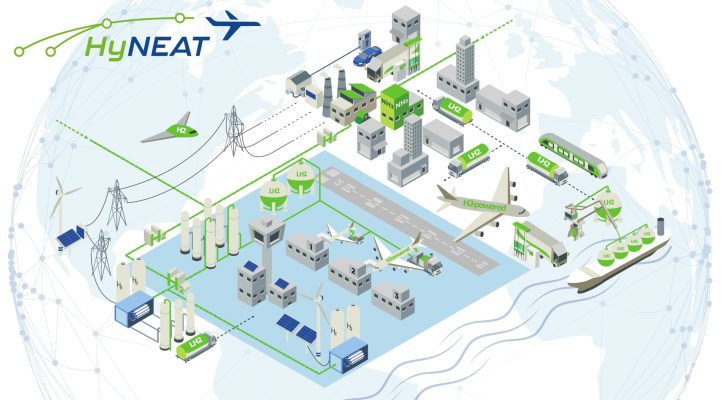
Will hydrogen be the solution to climate neutrality in the aviation industry? As promising this may be, the challenges in implementing hydrogen-powered aviation are also great. Over the next three years, the joint project “HyNEAT – Hydrogen Supply Networks’ Evolution for Air Transport” will conduct research into supply networks for such aircraft. The focus is…